The problem
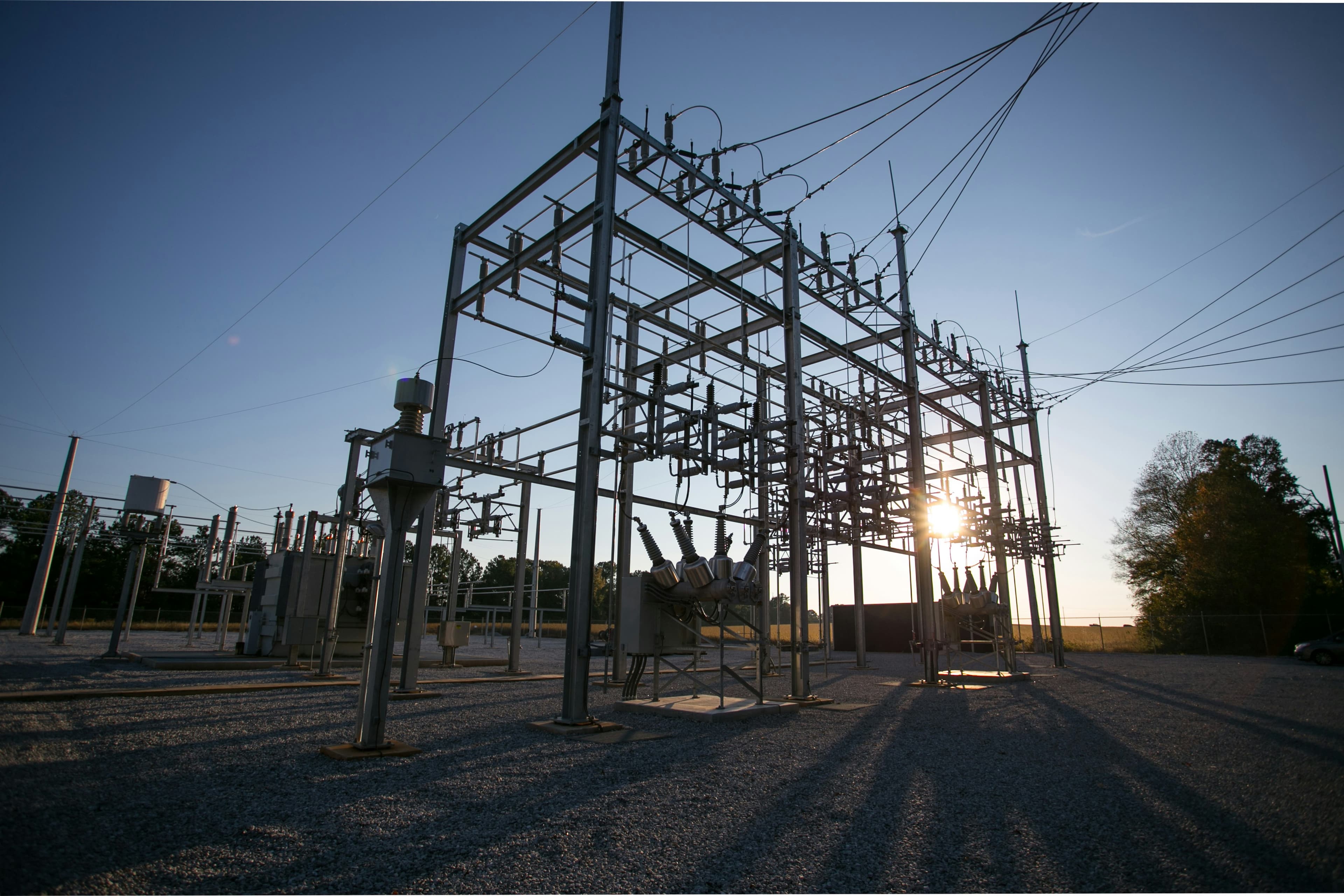
You are 99% ready. The grid is not.
Land secured. Fiber in. GPUs on order. Yet across the most power-hungry markets in North America, one missing piece is costing operators millions every month they wait.
What changed
Demand arrived faster than transmission can be built.
Utility planning cycles were designed for load that grows in single-digit percentages and announces itself years in advance. High-density compute does neither. A single campus can request more capacity than a utility had planned to add across an entire service territory in a decade.
The result is a queue. Studies stack up. Network upgrade costs get allocated and re-allocated as projects ahead of you drop out. Energization dates move to the right, and the only thing you can do about it is wait.
Three constraints
Why the wait is worse than the number suggests
Queue position is not capacity
A queue position is an option on capacity that may or may not exist when your study clears. Projects that assumed a date and financed against it have found the date was never a commitment.
Network upgrades are shared and unpredictable
Your cost allocation depends on who else is in the cluster and who withdraws. A number that looked manageable at application can double before the interconnection agreement is signed.
Time is the only truly non-recoverable cost
Equipment can be resold. Land holds value. A year of a depreciating GPU fleet sitting in a warehouse, or worse, a contract you cannot serve, cannot be recovered.
The cost of a year
What a twelve-month slip actually costs on 5 MW
$0M–$0M
Annual revenue potential, 5 MW high-density cluster
The same number
Revenue forgone per year of delay
None of it
Recoverable later
A delay does not defer revenue. It deletes it.
The compute you would have sold in 2027 is sold by someone else, on hardware that is a generation newer by the time you are energized.
The comparison that matters
Compare it to the alternative, not to zero.
The relevant comparison is not behind-the-meter generation against grid power at tariff. It is behind-the-meter generation against no power at all for five years.
At a 5 MW facility, a year of delay forgoes $17M to $25M of compute revenue that is never recovered. Against that number, the premium over an eventual grid tariff is a rounding error, and it buys four to six years of operating life you would otherwise never have.
What operators try
The three usual responses, and why they stall
Wait it out
Viable only if your capital and your customers are patient. Most are not.
Move markets
Relocating solves the queue but abandons the fiber, the land basis, the tax position, and often the latency requirement that drove the site selection.
Diesel bridge
Fast to deploy, but permitting limits run hours, fuel logistics are fragile, and the economics are punishing at any meaningful load factor. It is a bridge, not a supply.
There is a fourth option: don’t connect to the grid at all.
See how behind-the-meter worksHow long is your queue position
Tell us your market and target energization date. We will tell you within five business days whether behind-the-meter generation fits your project.